
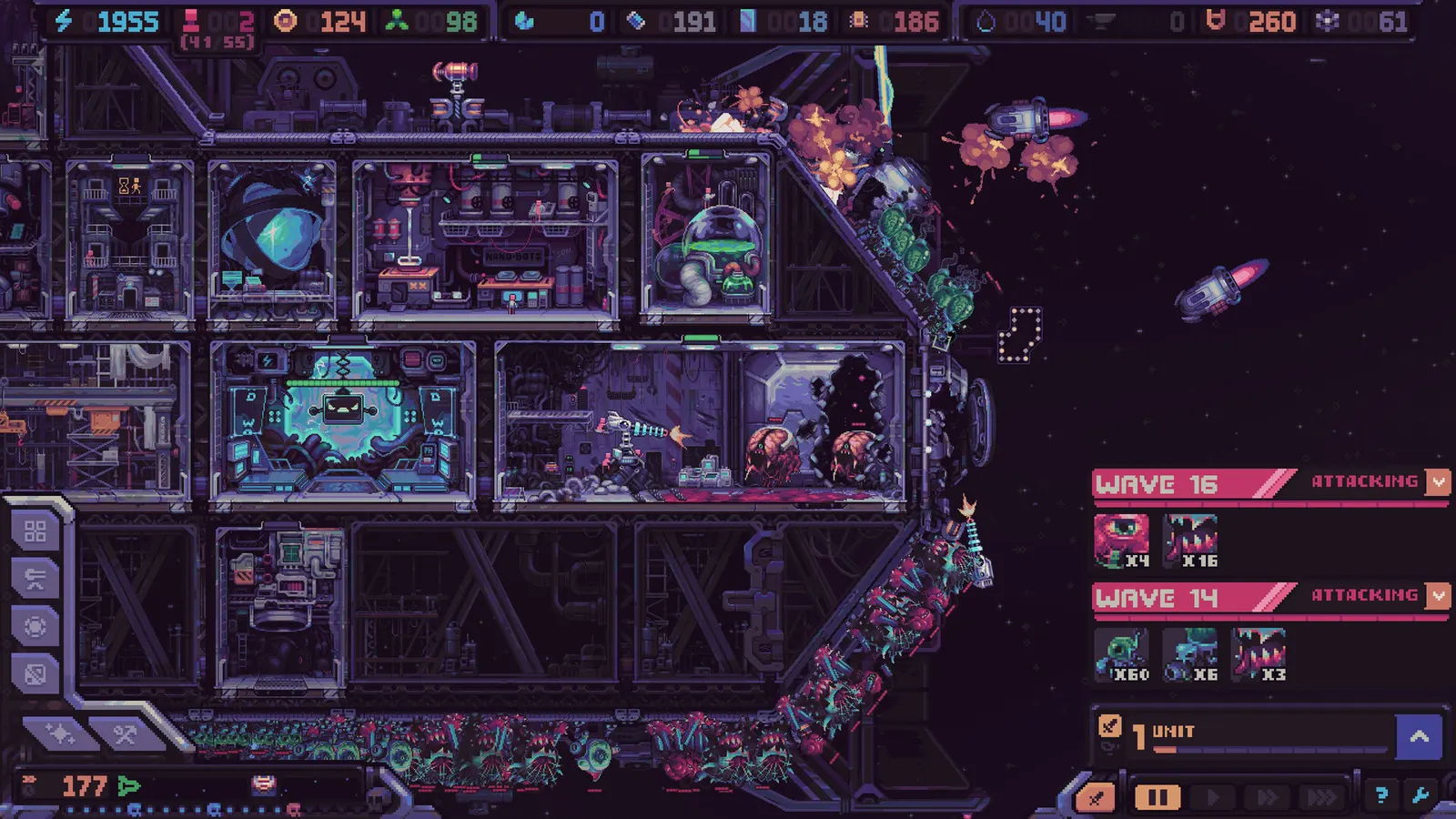
Hull Rupture released on November 4, 2026, at 3 PM CET. The developer gave the hour in Central European Time, which in November means UTC+1, so the launch was 14:00 UTC.
Steam store pages usually publish a date without an hour and let the storefront handle the rest. This one was announced with a time, which is why the same release appears as a morning in California and an evening in Tokyo.
The launch hour in local time
| City | Local time on November 4 |
|---|---|
| Los Angeles | 06:00 PST |
| New York | 09:00 EST |
| London | 14:00 GMT |
| Berlin, Paris, Rome | 15:00 CET |
| Moscow | 17:00 MSK |
| Tokyo | 23:00 JST |
| Sydney | 01:00 AEDT, November 5 |
Two things follow from that table. The Americas got the game in the morning, which is the friendliest possible window for a launch day — a full day of play before the first night. Australia got it after midnight, so the "November 4" release was a November 5 download for the east coast.
Why the hour matters
A date without an hour means checking the store every few hours. A date with an hour means the first wave of players all start together, and the first reports about performance and balance land within the same evening.
What shipped at launch
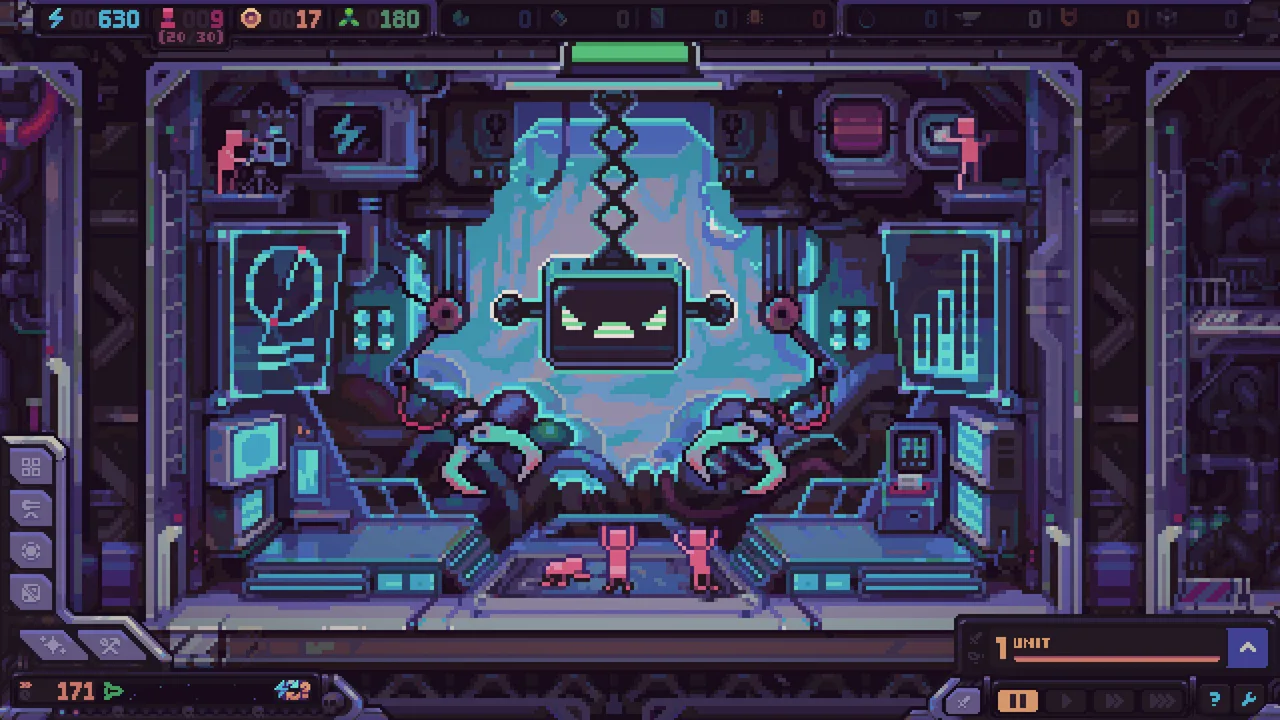
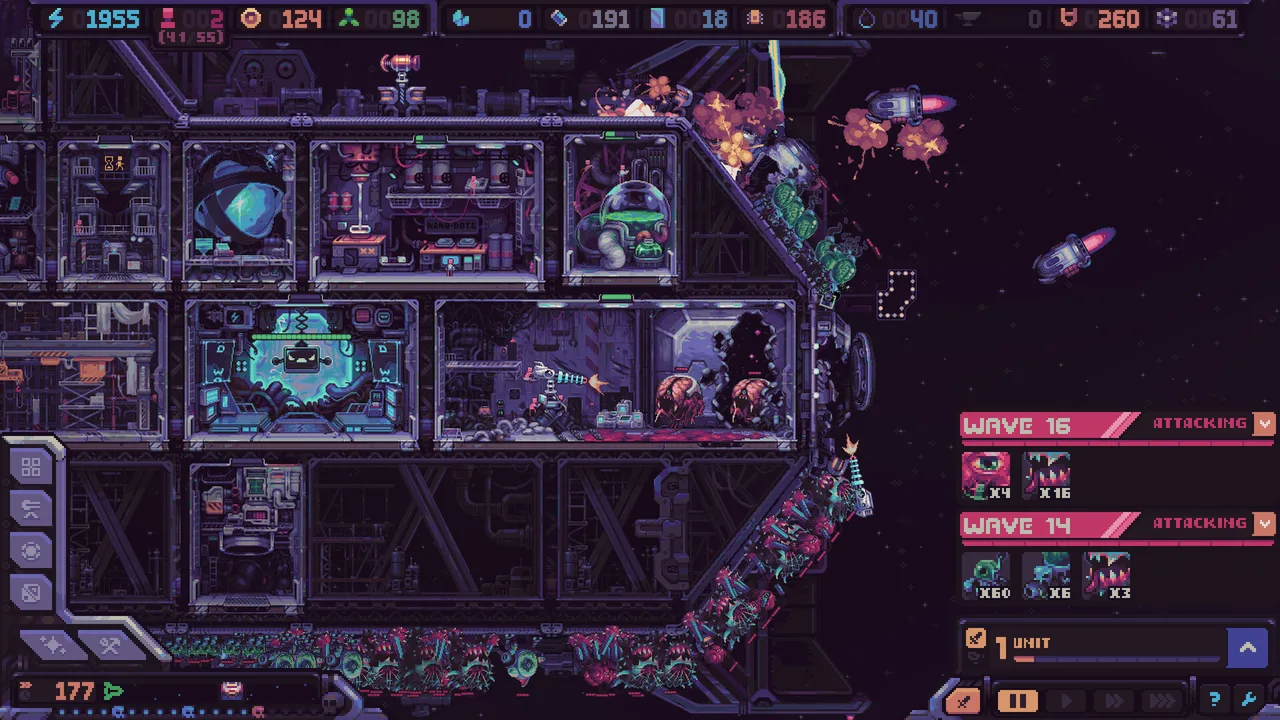
The 1.0 build is the base-management, tower-defence roguelite the demo had been showing since the autumn: you play Despot, the AI that survived the Galactic Union's attack on Earth, and you keep a growing ship moving toward the alien homeworld while aliens tear holes in the hull.
Day one included three starting ships, six modes and four difficulty settings. You begin with one ship and Classic Mode — twenty alien waves — and unlock the rest through play. The full game also removed a demo restriction that had annoyed returning players: modules can now be built in any empty slot rather than only next to a finished module.
The first patch, 1.0.13, arrived the next day.
 Official media · Steam
Before the launch: the demo, and what happened to it
A free demo ran through the autumn and was disabled in the days before release. Anything you built in it is gone; the carry-over rules are narrow enough that they get their own page.
The gap between demo and launch was also where the balance changed. Endless Mode was split out of Classic and given its own settings, the module-placement rule was relaxed, and artifact icons and names were reassigned — an artifact that had one icon in the demo may wear a different one now.
What the date costs you if you wait
Despot's Game players will recognise the shape of this release: a studio with a small catalogue shipping a systems-heavy roguelite at a low price, then patching it daily. The first week is the least stable the game will ever be, and it is also the week when the community is largest and the discussion most useful.
Waiting a month buys a calmer build and a smaller crowd. There is no content gated behind the launch window, so the only thing a later buyer loses is the shared discovery — the period when nobody knows which mode is strongest yet.
No console version, and no date for one
The launch was Steam-only: Windows, macOS and Linux. No PlayStation, Xbox or Switch version has been announced, and the developer's pre-launch material does not mention one.
That is worth stating plainly because the game's presentation — a pixel-art roguelite with a controller-friendly loop — invites the assumption that a console port is coming. Nothing published so far supports that assumption.
It launched as a finished game, not an Early Access one
The store listing went from wishlist to purchase with no Early Access label, and the developer has never described the release as a beta. That is unusual for a management roguelite from a small studio, and it explains the patch cadence that followed: 1.0.13 the next day, 1.0.15 two days after that, 1.0.16 on November 8.
The distinction matters for anyone deciding whether to buy now. An Early Access launch is an invitation to watch the game change; a 1.0 launch with three quick patches is a game being corrected toward the version the developer intended to ship.
 Official media · Steam
The first twenty-four hours
The store page carried a wishlist button until 14:00 UTC on November 4, when it changed to a purchase button. Reports about performance and balance arrived the same evening in the Americas and the next morning in Asia.
Three things came out of that first stretch. The wave 10 boss drew the most complaints — the developer later described it as the reason players saw the game tell them they had lost on day 13 — the difficulty ladder was confusing because every mode kept its own, and the late-run slowdown acknowledged during the demo was still present. The first two were addressed in 1.0.15. The third was not.
None of that is unusual for a launch. It is, however, the reason a guide written on launch day and a guide written on November 8 do not say the same things.
What the date means for guides
Hull Rupture is a game whose numbers move. Difficulty unlocks changed on November 7, a boss was nerfed the same day, and a map-generation bug was fixed on November 8. Any guide written before November 7 describes a slightly different game, and the difference is not cosmetic: the difficulty change altered which settings a new player can pick in which mode.
The practical rule is to read the patch notes page before trusting a build order, and to check the version number in the Steam client if something in a guide does not match what the game is doing.